Wildlife Conservation: Why is it so important?

But first, a little Earth Science!
Hey guys, it’s Jack!
Earth Science is how we study the planet Earth and how it relates to our neighbors in space. We can learn about the physical, chemical, and biological processes that shape our planet, and how they relate to those of us that live on it. Isn’t it incredible to think that we are living on a floating ball of fire just dangling around in the unknown of space? I know that can sound pretty spooky, but science is so much fun to learn!
And do you know what makes science fun? FACTS! Let’s learn some cool Earth Science facts together!
🌎 Did you know that the Earth is about 4.5 billion years old?
🌍 The Earth is also not perfectly round like we see in pictures! It bulges slightly at the equator and flattens at the poles because of its rotation.
🌏 The inner core of our Earth is mostly made of iron, and is actually hotter than the sun!
Are you ready to learn more about our planet? Us too!
But first we want you to remember one simple fact:
All organisms on the planet are interconnected.
But what does this mean?
It’s important to remember that we live in a biosphere that includes all life on our planet. It includes the air, land, surface rocks, and water. Our biosphere consists of three layers…well, spheres. Can you guess what they are? Don’t worry if you can’t, you can learn more about them below!
Let’s imagine that we are going on an adventure into our planet. We’ll start from the innermost layer and work our way up to the outermost layer. Are you ready? It’s going to get hot!
The
Lithosphere
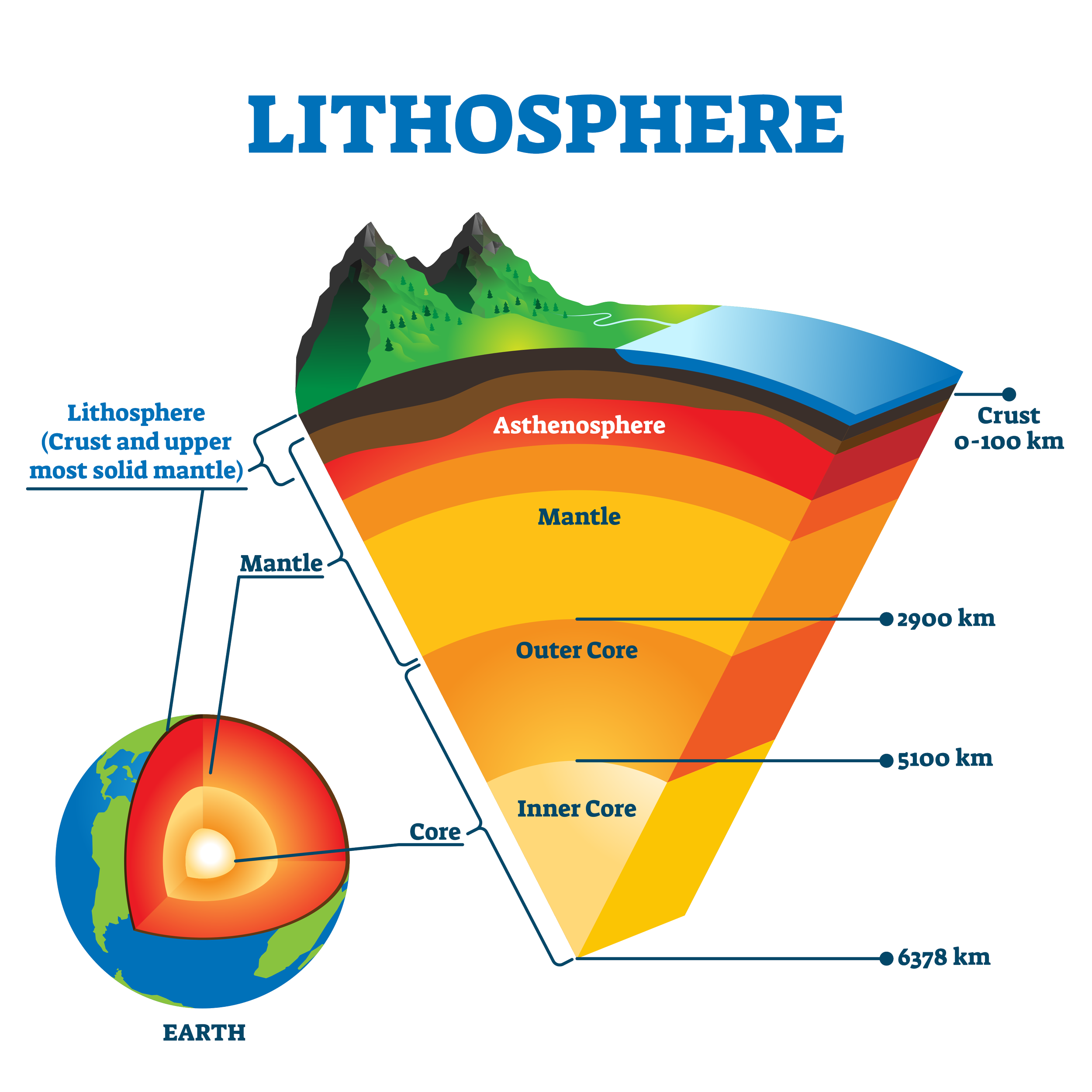
This layer, or sphere, is the rigid, rocky outer shell of the Earth. It comprises the entire crust and soil, and uppermost part of the upper mantle of the Earth. It is divided into many moving, interlocking pieces called tectonic plates.
Have you ever felt the earth rumble, or heard someone talk about an earthquake? Well, that's because of tectonic plates!
Tectonic plates are irregularly shaped slabs of solid rock that make up Earth’s outermost layer, and they fit together like a giant jigsaw puzzle. They float on top of the hotter, semi-fluid mantle called the asthenosphere. Tectonic plates are in constant motion, When these plates move and interact with their edges they can get stuck. As the plates try to loosen themselves, they cause pressure to build up from friction. This friction can cause a plate to snap, slip, or break, which will release the built up energy and cause waves that makes the ground shake.
So the next time you hear your friend or teacher talking about an earthquake, you can tell them what really causes it!
The
Hydrosphere
This layer, or sphere, is all of Earth’s water on the surface, in the ground, and in the air. It covers about 71% of the planet's surface.
But wait, how can water also include parts in the air? Well, water will naturally exist in three states - liquid, solid, and gas.
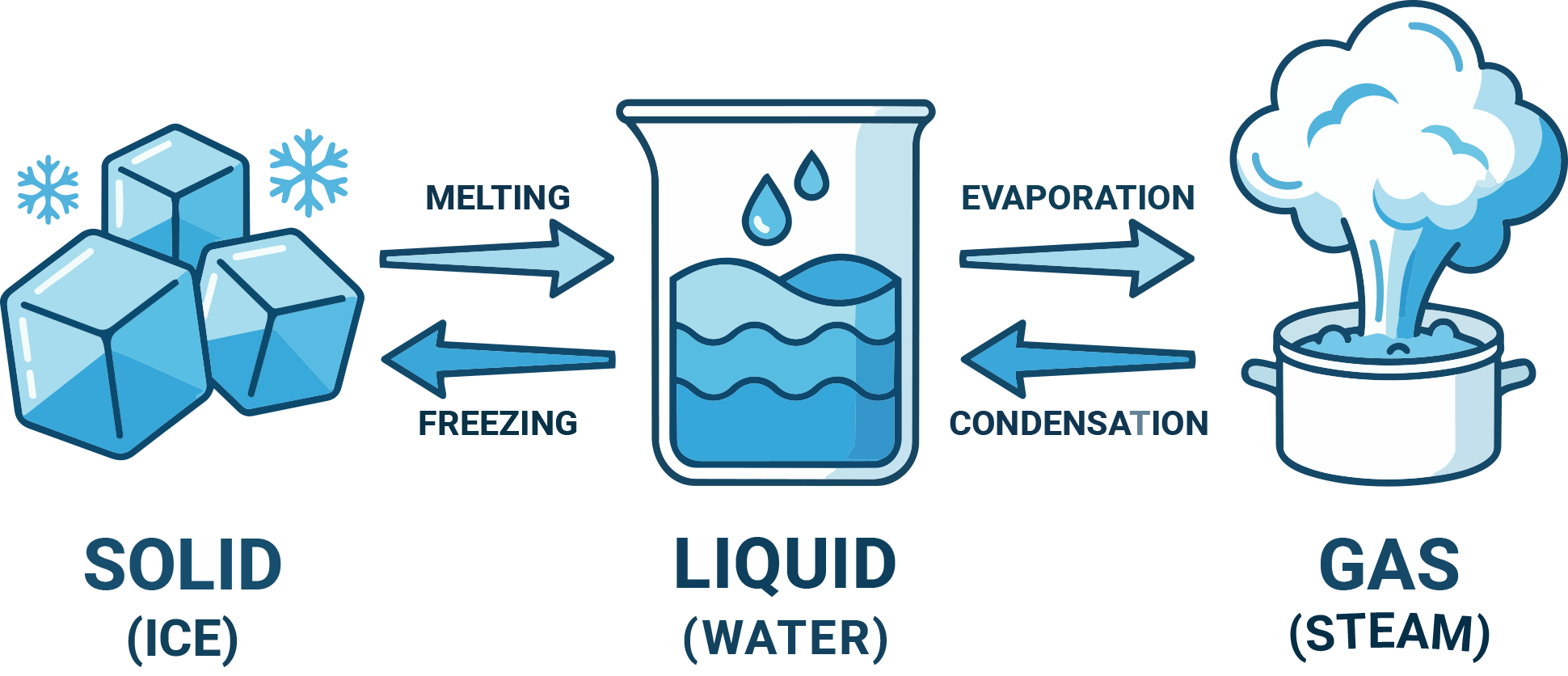
The state of water will depend on temperature - too cold, normal, or too hot. Water goes through an endless journey and travels from the land, to the sky, and then back again. Scientists call this The Water Cycle, and can you believe that it’s all powered by the sun? Let’s look at the four stages of The Water Cycle together!
We go through The Water Cycle so many times during the day and we don’t even realize it. Can you think of a scenario that would involve all stages of The Water Cycle?
Psst, do you want some help?
Picture This: It’s a hot summer day and the sun is beating down on you and making you sweat. Did you know that sweat is actually driven by EVAPORATION?
No? Great time for a Fun Fact! Let’s dive into it!
When you’re hot your body will produce water, or sweat, and when it mixes with the heat from your body it will produce vapor. This is how the liquid absorbs the heat and cools you down.
Now when your mom sees how hot you are and decides to bring you a glass of ice cold lemonade, do you know what makes the ice? FREEZING - Water molecules merge together to become the blocks of ice inside of your drink!
But what happens when you pick up the glass to drink your lemonade and you realize the glass is wet? Do you now what makes the glass wet on the outside of the cup? CONDENSATION - The warm air comes in contact with the chilled surface and creates liquid.
Hey but wait…a few minutes later where did the ice go? It MELTED.
The Water Cycle is a continuous cycle that we witness all the time in our every day life.
Now when your mom brings you a cold drink on a hot day you’ll know the different stages of our incredible Water Cycle!
The
Atmosphere
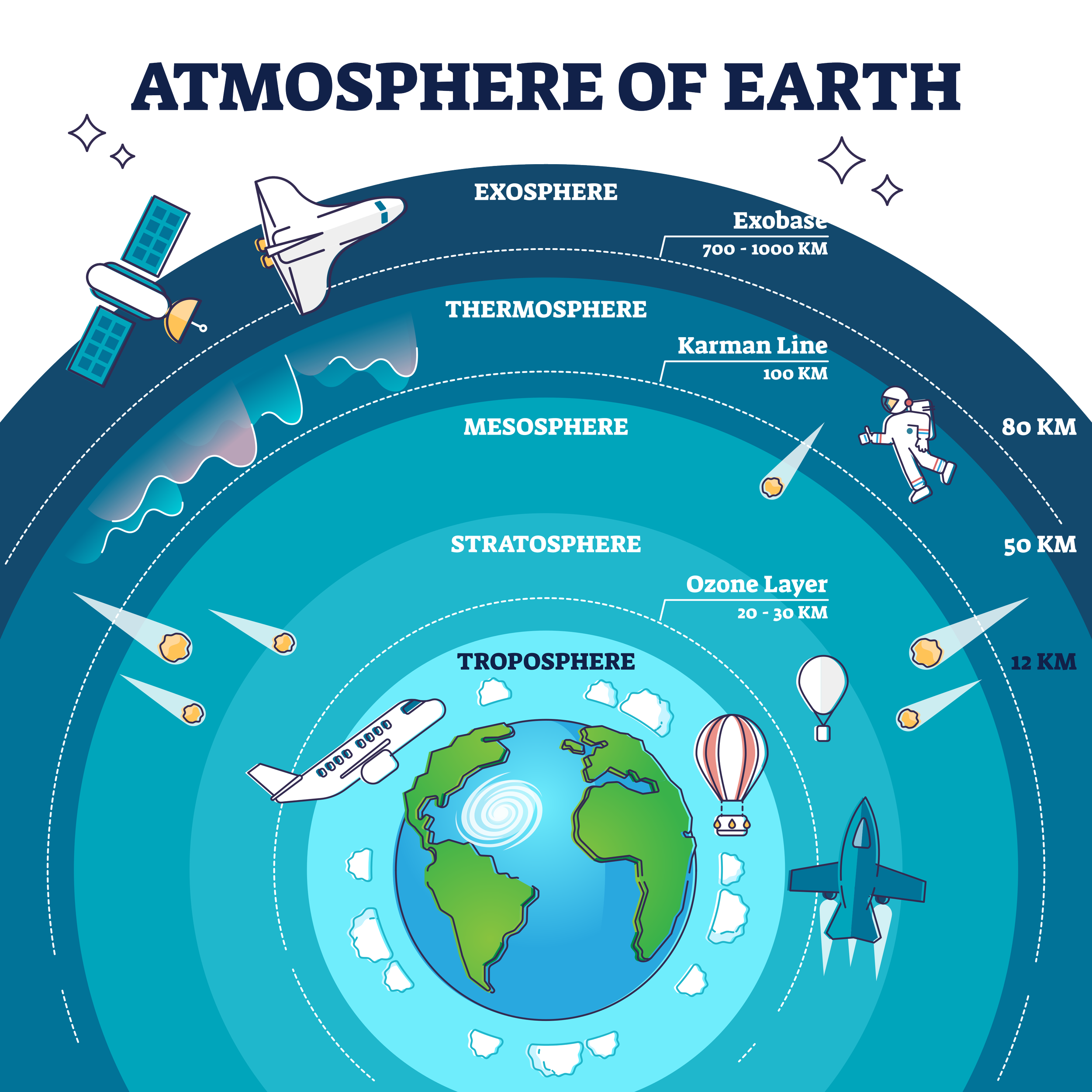
The third layer, or sphere, lays right above The Lithosphere, and is called The Atmosphere. The Atmosphere surrounds our planet to keep us warm and provides all the oxygen that we need to breathe. Although we call this the final layer, it consists of six very different layers:
The Troposphere
The Stratosphere
The Mesosphere
The Thermosphere
The Ionosphere
The Exosphere
Fun Fact:The only layer that we truly call “home” is The Troposphere, and its name comes from the weather that is constantly changing and mixing up the gases within it. The Troposphere is the layer that has all the air that we breathe, and all of the clouds that we love to watch in the sky. When you feel the wind in your face or watch our winged animal friends flying around, you are experiencing The Troposphere.
Now you may have some questions about the other layers, I would too!
Let’s look at some more fun facts about the other layers of The Atmosphere.
Have you ever heard of the Ozone Layer? Well The Stratosphere houses the majority of the Ozone Layer. This is important because the Ozone Layer protects the planet by absorbing harmful ultraviolet (UV) radiation from the sun.
The Mesosphere is considered the coldest layer of The Atmosphere, and will act as Earth’s protective shield against many meteors by burning them up before they can touch the ground.
Although The Mesosphere is considered the coldest layer, The Thermosphere is actually quite sneaky, and will mock the temperatures of The Mesosphere. How, you may ask? Well, temperatures in The Thermosphere can reach as high as 3,632 degrees, but because of how thin the air is, and a lack of air molecules, it would feel freezing to any human being if they were inside of this layer. Isn’t science weird?
Right on top of The Thermosphere lies The Ionosphere where our Atmosphere touches space! The Ionosphere forms the meeting point between the Earth’s lower Atmosphere and the large vacuum that is space.
The Exosphere,the last layer of The Atmosphere, is the thinnest layer. It contains hydrogen and helium that will extend outwards into a region called the Geocorona and stretch all the way to the moon!
Now that we’ve learned all about the layers of our Biosphere, it’s important for us to recognize how long it’s been protecting our planet. There may only be three layers, but The Biosphere is very complex.
“The biosphere has existed for about 3.5- 3.8 billion years…”
How do we know this?
The many fossils and biochemical traces that scientists have discovered has allowed them for figure out about how old our Biosphere is. These fossils and biochemical traces derived from the earliest life forms called prokaryotes. They further evolved through the addition of oxygen that allowed more complex life-forms to exist. We used to think of our Biosphere as one large ecosystem, but we now know that our biosphere actually consists of many ecosystems all living together. This exchange of food and energy between ecosystems is what makes the Biosphere a self-supporting and self-regulating system.
By now you might be thinking,
“What does this have to do with Wildlife Conservation?”
To answer that, we first need to discuss the concept of Biodiversity and its relationship with the biosphere.
Biodiversity Acts as the Functional Machinery of the Biosphere
Let’s take a moment and think about what Jack said before…
All organisms on the planet are interconnected.
Can you tell us what this really means yet? If not, no worries! We’re still learning.
What’s up guys, it’s Mack!
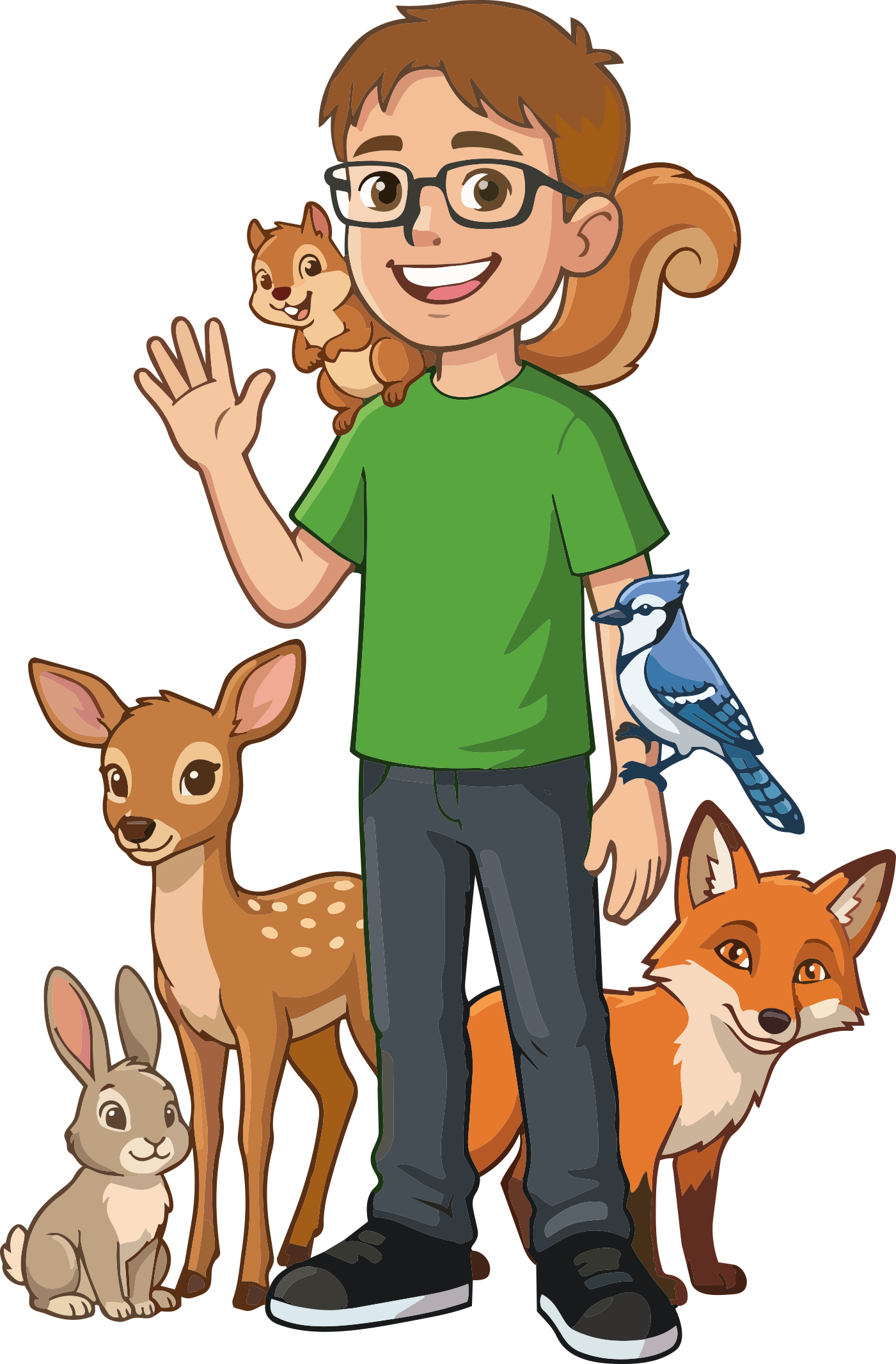
I know Jack talked a little about Earth Science and how important our Biosphere is to maintaining life on planet Earth. Well, our Biosphere wouldn’t function properly without the Biodiversity that we have on this planet. Think of our Biosphere like our skin. It comes into contact with the outside world and gives us protection, while also housing all of our inside parts. Now let’s think about Biodiversity as all the different things that make up our body.
Can you think of something inside of YOU that’s unique to just you?
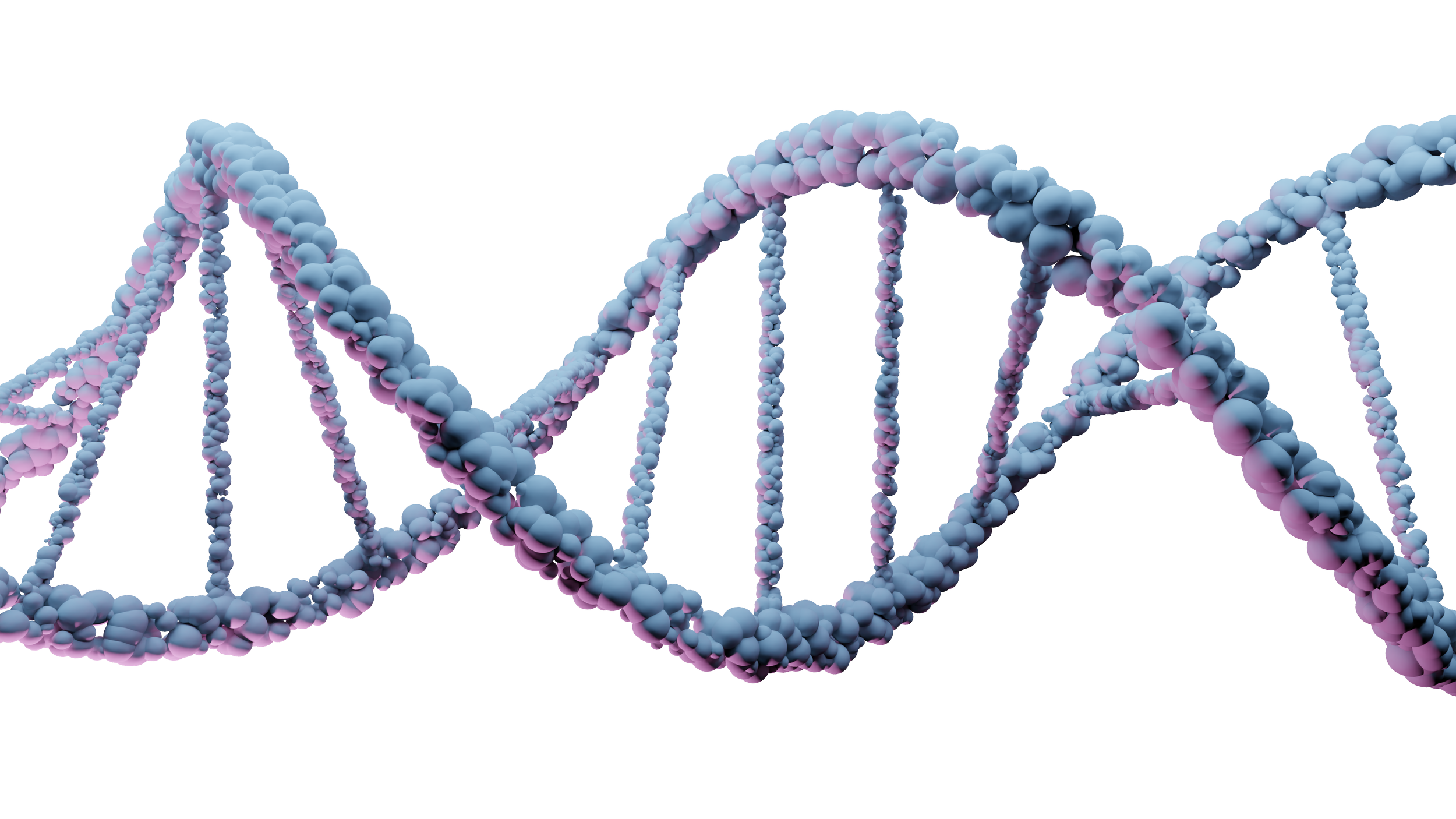
If your answer was DNA then you are correct! Your DNA is unique to just you and no one else on this planet has the same exact DNA.
Biodiversity is very similar to our DNA because just as our DNA makes up our genetic code, Biodiversity makes up the “genetics” of our planet. It also acts as the structural foundation and immune like system of the Biosphere. To make sure Biodiversity flows correctly it relies on the “Circle of Life” to be the engine behind it.
The Circle
of Life
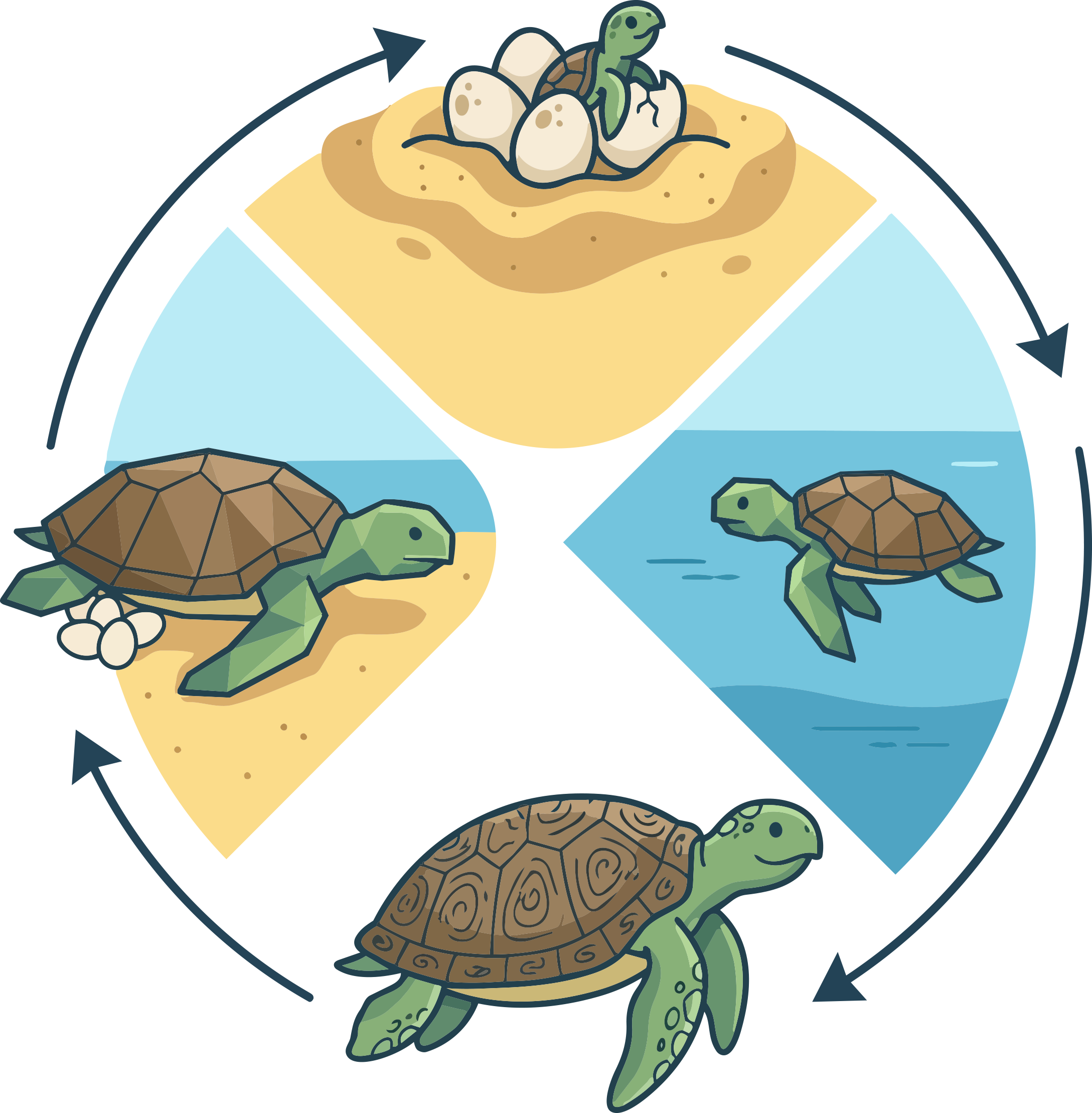
The “Circle of Life” shows us how every living thing relies off a continuous cycle to survive. We all go through continual changes from when we are born, to growing up, to producing our own babies, and then when our journey comes to an end and we give our energy back to system. From life comes death but from death also comes life.
But Mack, “How does this relate to Biodiversity?”
Well the more diverse the organisms, or living things, are that participate in The Circle of Life, the more resilient and stable it becomes. The Circle of Life is a critical part of a healthy and balanced ecosystem.
WOAH!
Did you just have a flashback to The Lion King? Me too! But don’t worry my brothers and I do not have a relationship like Mufasa and Scar……well, most days. Let’s learn some more about The Circle of Life!
Wait, wait, wait…..
Did Jack ever go over the word Ecosystem? No? That’s so unlike him!
An Ecosystem is a geographic area where living and non-living organisms interact with one another.
Now that you know this important word, back to learning…..
When organisms become too many or too few it upsets the balance of the natural food chains within the circle. For many ecosystems, Biodiversity means the difference between healthy and unhealthy.
Although many humans don’t think of themselves as part of their ecosystems, they are in fact a very important factor within it. Their actions have both a negative and positive impact on the health of their environments just like wildlife. Humans, just like other living beings, consume resources on the planet. The big difference between them and other species is that they can consciously make choices to reduce the negative impact on the world around them.
Can you think of ways humans might have both a positive and negative impact on their ecosystem? What choices do you think they can make now to help the future of the planet and those that live on it?
What Exactly Is Wildlife Conservation?
Howdy, Zack here!
Wildlife conservation is so very important to keep our animal friends here with us on the planet. Do you want to know my favorite way to help them? Asking Questions!
When I ask more questions I learn more about each and every animal I am interested in. The more we know about our wildlife friends, the better equipped we are to keep them safe! That’s why I ask so many questions, even if it annoys my big brothers.
Wildlife Conservation is the practice of protecting and preserving wild animal and plant species, and their habitats. When we protect our wildlife and their homes, we protect the Biodiversity of Earth. This ensures not only the survival of ecosystems, their functions and ability to adapt, but also make sure that future generations can enjoy the natural world and all of its inhabitants.
What questions do you have about Wildlife Conservation? I’ll let you in on some of mine, too!
Why is Wildlife Conservation so important?
Wildlife Conservation is crucial for maintaining a healthy home for humans, animals, plants, and their ecosystems. It’s not just about saving animals - although that’s super important- it also means providing essential services like breathable air, clean water, and food security for all.
What are the goals of Wildlife Conservation?
Another great question, Zack!
Some major goals of Wildlife Conservation are to maintain Biodiversity, support ecosystems, combat climate change, make sure we have enough natural resources, and of course educate our communities on the importance of our wildlife!
You’ve learned a lot from my big brothers, and now you know why Wildlife Conservation is so important! We have given you a lot of information, but we do have just one question:
Do you remember what we said before?
All organisms on the planet are interconnected.
When we lose one species entirely it triggers the loss of not just that species, but another, and then another. That throws off “The Circle of Life” balance which will then disrupt the Biodiversity of our planet. When our Biodiversity is disrupted the Biosphere is also disrupted. Which means there is a risk to the safety of our planet.
We are all connected to one another and we all play a role in keeping our planet healthy, and our wildlife safe from extinction.
Oh wait, Coco just made a good point! Extinction is a new word.
Do you want to know what it means?
What does the word Extinction mean?
Extinction is the permanent disappearance or elimination of a species from the planet. This means that every single member of a type of animal or plant has died out. Though extinction is a normal part of nature, scientists say that it’s currently driven much quicker by human activities.
Can you think of a species that you know that has gone extinct?
Interesting Fact: About 99% of all living things that have ever existed are now extinct.
Extinction typically happens at a steady rate over hundreds to thousands of years. This is so that nature can recover lost species with other species for balance. Humans have sped this process up at a faster rate than nature can keep up with. To feed, clothe, and produce energy, humans are removing natural habitats by altering the climate and the environment. This is potentially causing another mass extinction.
Mass Extinction is when species vanish at a much faster rate than they are replaced. This means that typically more than 75% of species will go extinct.
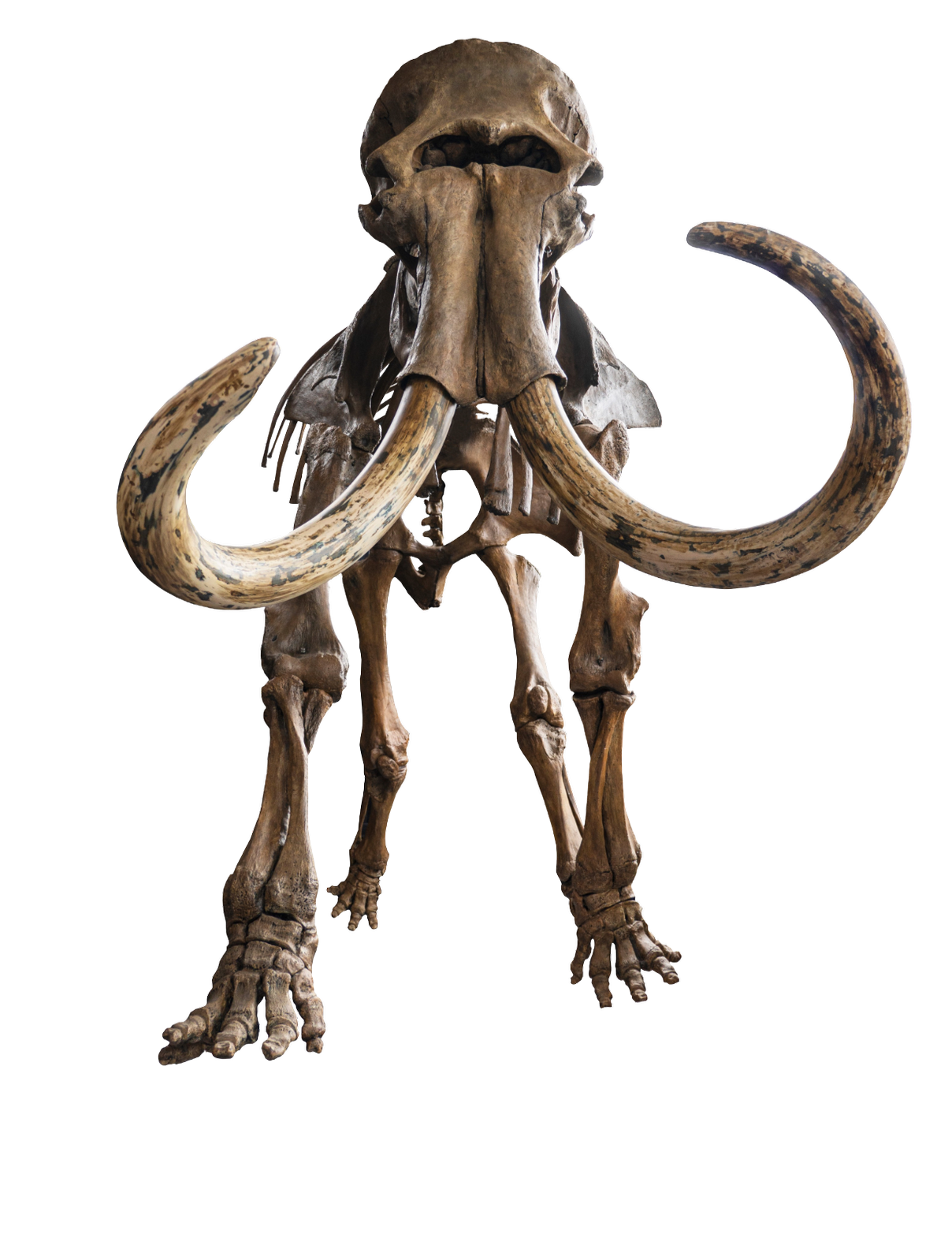
The Big Five Mass Extinctions
End-Ordovician (443 million years ago)
Late Devonion (359 million years ago)
End-Permian (252 million years ago)
End-Triassic (201 million years ago)
Cretaceous-Paleogene (66 million years ago)
We Know What You’re Thinking: What Can I Do To Protect Our Wildlife?
Well, we have good news! There are so many ways that you can help protect our planet and those that live on it. Whether it be starting a local “Call to Action” group or volunteering for local habitat cleanups, there are so many different ways that you can make a difference. We know that we all play a major role in the safety and preservation of our animals and their habitats. Even the smallest of actions can make the biggest changes.
Read below to find out some ways that you can make a difference today!
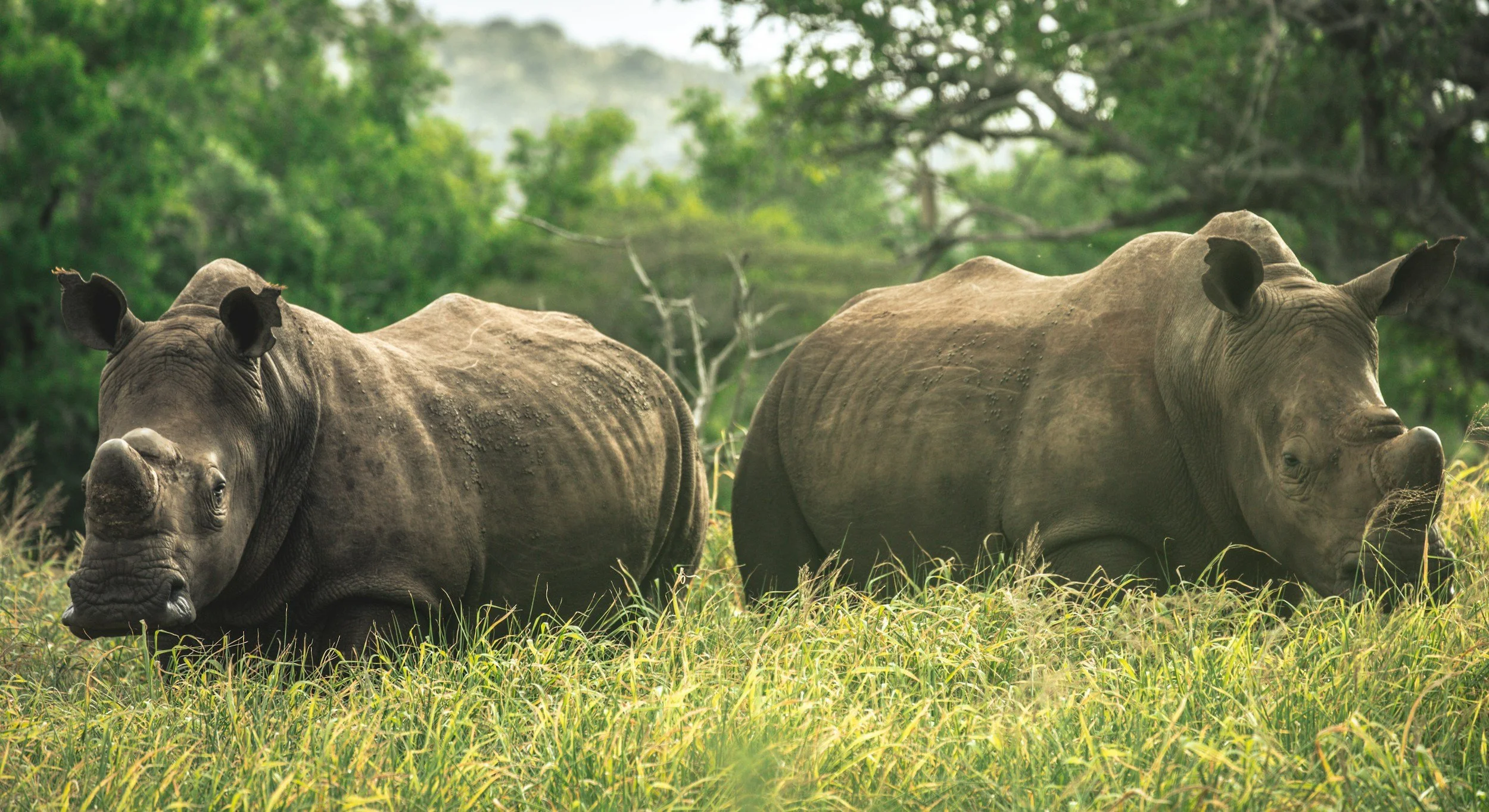
Learn about endangered or vulnerable species in your part of the world
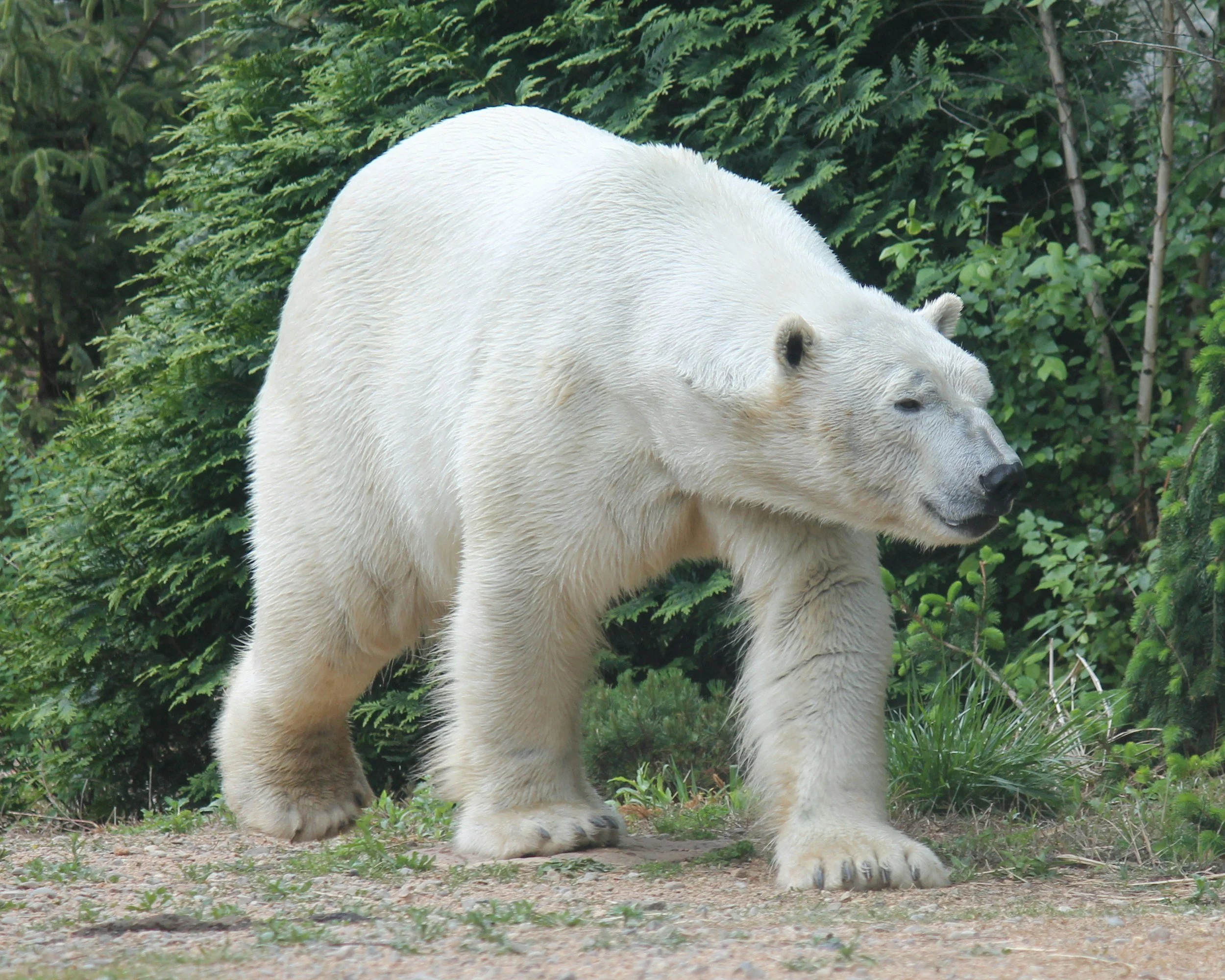
Join local habitat restoration for waterway and roadway cleanup
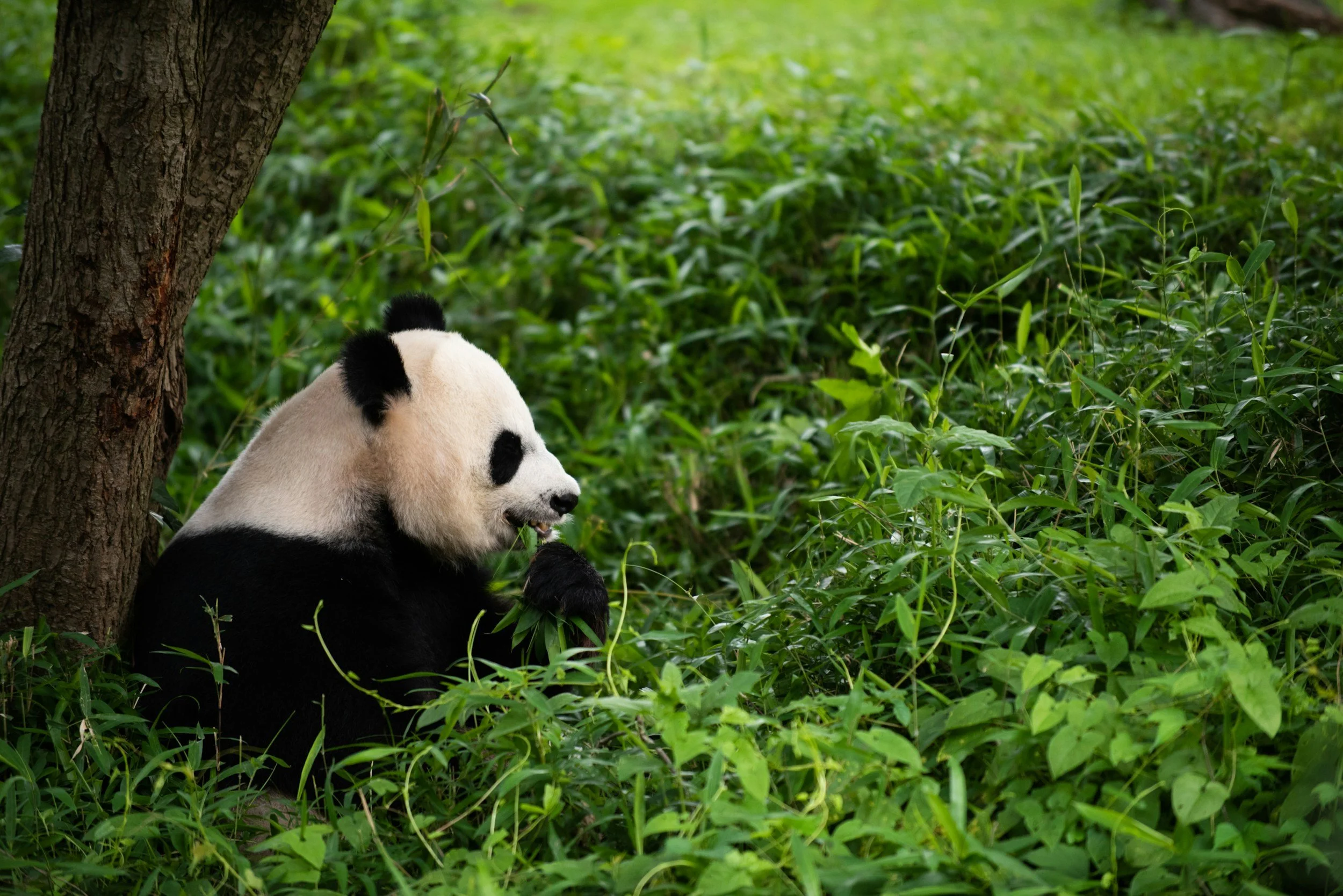
Support programs that increase funding for parks, wetlands, and forests
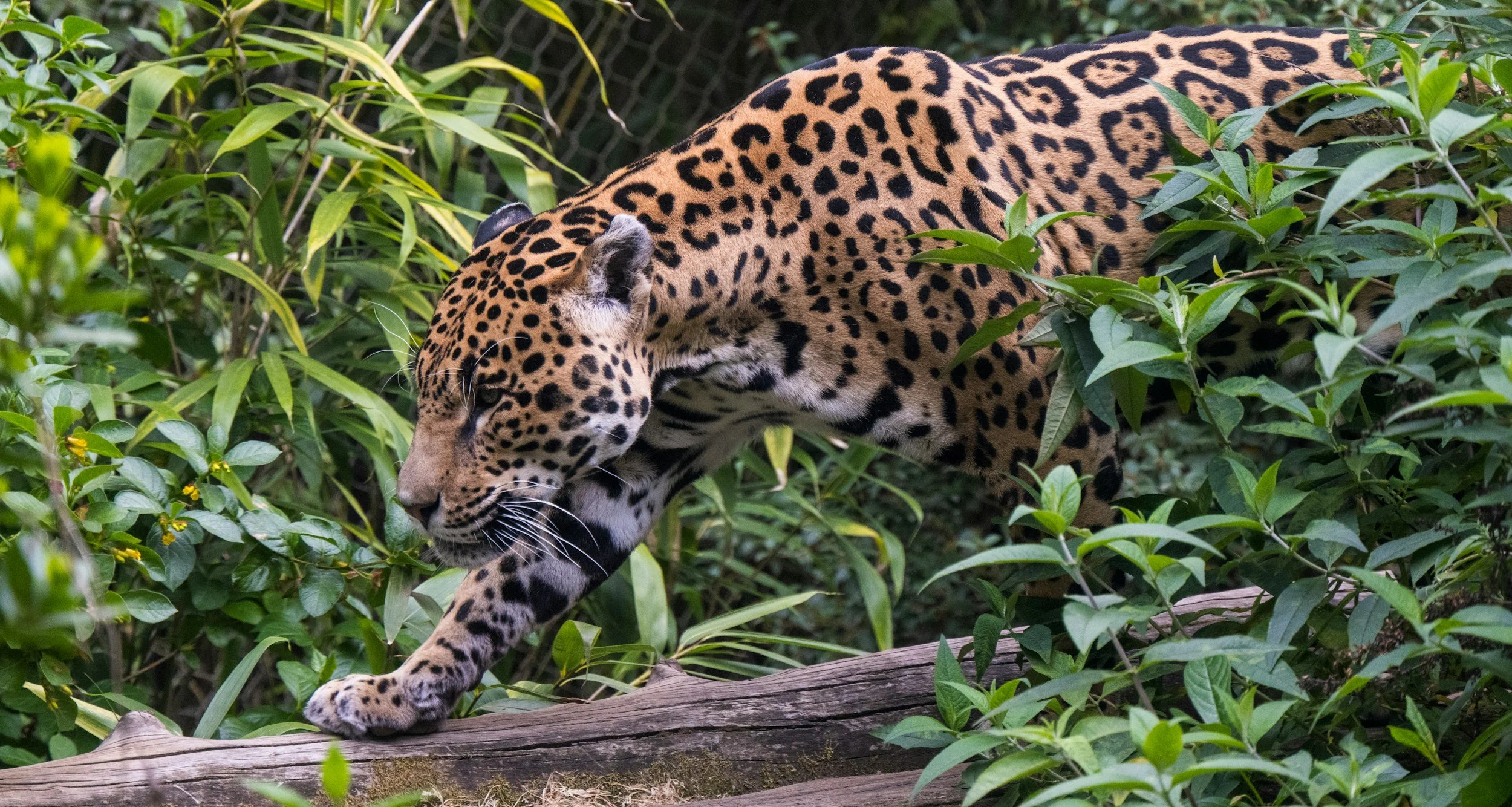
Recycle and buy sustainable products
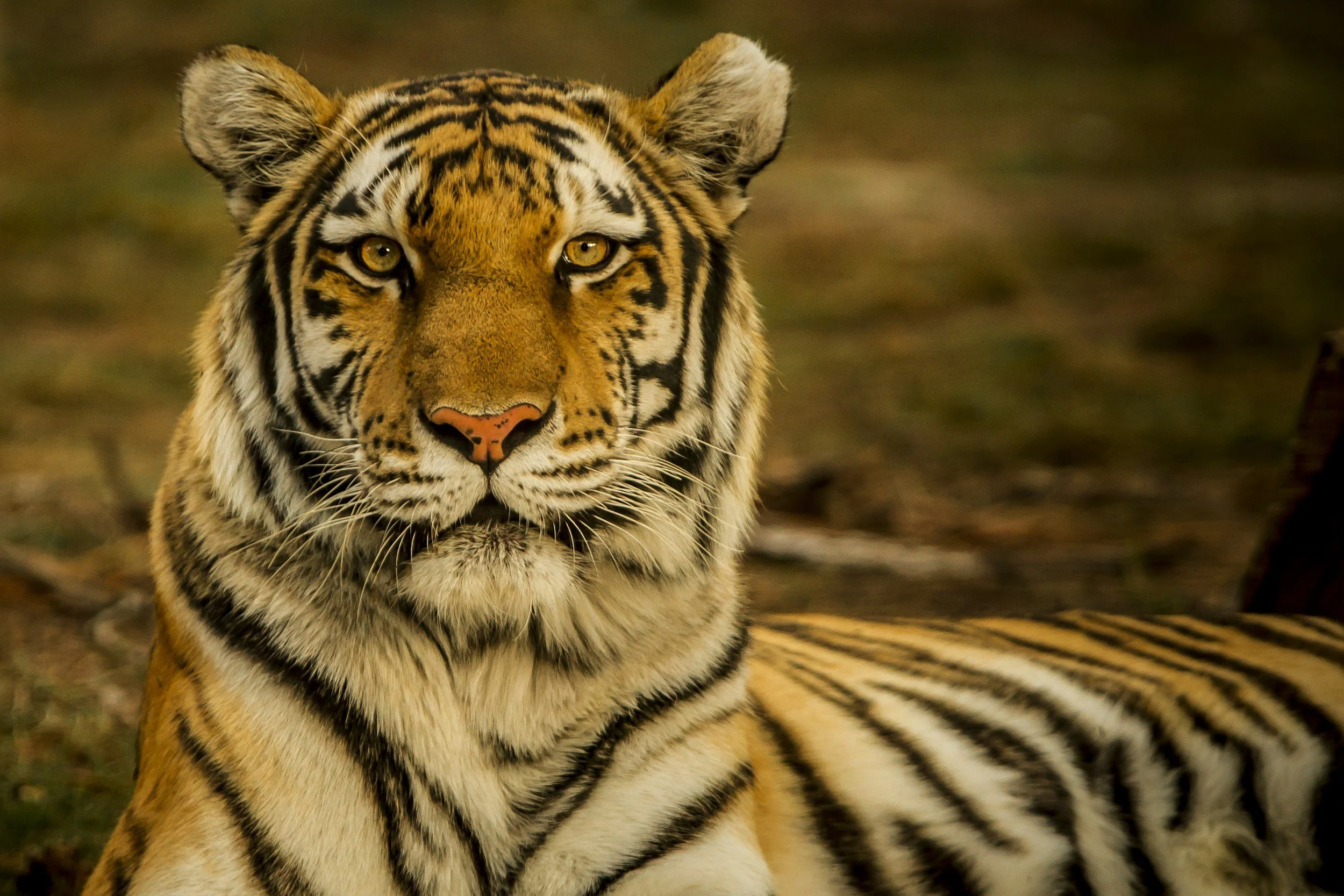
Continue to educate yourself and others about Wildlife Conservation!
Important Terms to Know
-
Biosphere
The Biosphere, otherwise known as the “life zone” of our planet includes all living things on Earth.
-
The Lithosphere, Hydrosphere, and Atmosphere
The Lithosphere, Hydrosphere, and Atmosphere are the three spheres, or layers, of the Biosphere.
-
Biodiversity
Biodiversity is the variety of all living things on Earth from tiny bugs to tall trees and giant whales.
-
Ecosystem
Ecosystems are geographic areas where living and non-living thing organisms interact with one another.
-
Wildlife Conservation
Wildlife Conservation is the protection and preservation of wild animals, plants, and their homes.
-
Extinction
Extinction is when all family members of a specific species have died out.
The Rowdy Bros. Activities!
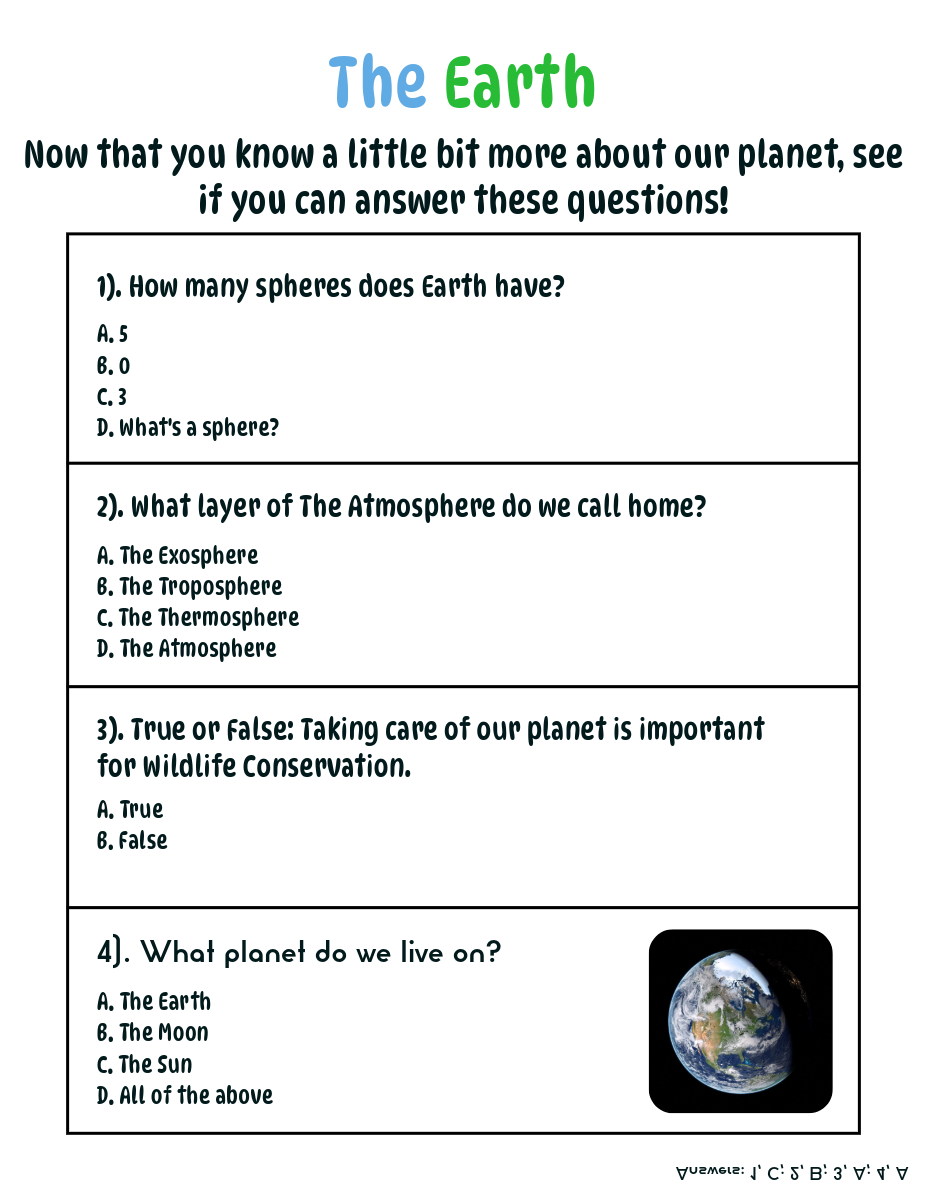
This download bundle includes a small Earth Science Quiz, an Ecosystem interactive activity, and a word Search! Happy Learning!
Jack, Mack and Zack
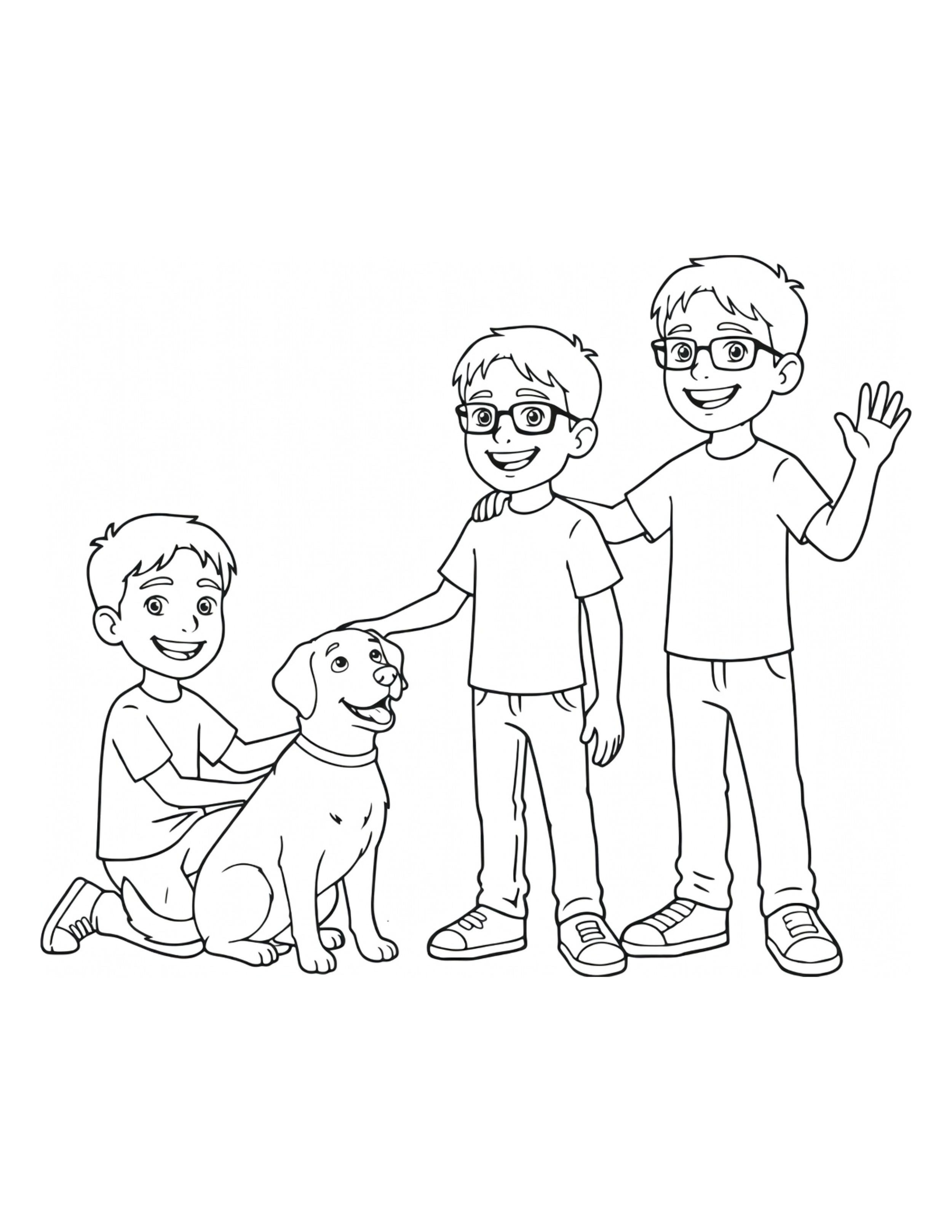
Coloring sheets to enhance your learning about Wildlife Conservation! Send us your pictures for a social media post! We love to se what you create.
Jack, Mack & Zack